What Are the Bank Statement Requirements to Get a Mortgage?

Author: Jack Freestone
Finance Writer at Boon Brokers

Reviewed by: Gerard Boon
Managing Director at Boon Brokers

Estimated Read Time: 5 Minutes
Mortgage lenders will usually ask for three to six months of bank statements to verify your income, assess affordability, and review your financial commitments.
Whether you’re worried that you are using your overdraft too much, have an out-of-the-blue gambling transaction, or a ‘guilty’ month of higher than usual spending, bank statements can be the cause of a lot of stress and worry for many borrowers during a mortgage application.
In this article, we explain exactly how lenders look at bank statements, how underwriters assess your finances during affordability checks, and what types of transactions may raise additional questions during the mortgage process. Let’s begin.
In this article...
- Why Do I Need to Provide Bank Statements for a Mortgage?
- How Many Months of Statements Are Required?
- What Do Lenders Look for in Your Bank Statements?
- What Are Red Flags to Mortgage Lenders in Bank Statements?
- How Should You Prepare Your Bank Statements for a Mortgage Application?
- How Will a Mortgage Specialist Help?
- Frequently Asked Questions
Why Do I Need to Provide Bank Statements for a Mortgage?
Mortgage lenders ask for bank statements to verify your income, assess affordability, and build a clearer picture of how you manage your finances.
Bank statements will play an important part in most mortgage applications as they help lenders assess your current financial commitments and whether or not your finances would be manageable alongside future repayments.
While on one hand payslips and tax documents can help prove to lenders how much you earn on paper, bank statements can provide underwriters with a more realistic view of your day-to-day finances.
For example, it is common practice for underwriters to compare the income that is declared on your application against the salary payments entering your account.
Underwriters may also review how consistently bills are paid, whether overdrafts are being used regularly, and whether or not there are any signs that your existing financial commitments are already difficult to manage.
In the scenario of self-employed applicants or borrowers with more complex income structures, bank statements can become even more important.
Unlike salaried employees with fixed monthly income, lenders will require bank statements to help assess your total income and how consistent that income appears over time, including whether earnings fluctuate significantly, and how finances are managed during quieter trading periods.
See What Our Clients Have To Say...
How Many Months of Statements Are Required?
Most mortgage lenders will usually request between three and six months of recent bank statements.
It is important to note that each lender will have their own specific criteria and so the exact amount of bank statements required can vary depending on your chosen lender, income structure, and overall application.
As a general rule, applicants that match the ‘typical’ employed income structure – following a fixed monthly salary – will often need to provide fewer statements to their lender. This is because the income can be verified much more easily.
In cases where income is more complex or when circumstances are less straightforward, lenders will often request additional bank statement history as evidence to identify a clear understanding of the applicant’s affordability over time.
For example, the minimum bank statement history required for mortgage approval may increase if you are:
- Self-employed
- Using overtime, commission, or bonus income
- Combining multiple income sources
- Applying shortly after changing jobs
- Receiving irregular income payments
In these types of cases, lenders will often want evidence of a longer financial history to help assess how stable your income appears and whether your finances are managed consistently over a sustained period.
Ready to Apply for a Mortgage?
Get matched with the right lender to secure the best mortgage rates.
What Do Lenders Look for in Your Bank Statements?
Lenders look for evidence that your income is consistent, how your finances are managed, and whether your current commitments are affordable alongside a mortgage.
For mortgage applications where borrowers are including overtime, bonuses, or self-employed income, then you may be asked to provide an extended history of bank statements. This is because these income types can fluctuate over time.
As a result, lenders will use bank statements to help draw an average in their assessment of how regularly income is received, whether earnings appear consistent, and how much of that income could realistically be used to support mortgage repayments.
In Boon Brokers’ 2026 research on stress during the mortgage application process, we found that 9% of borrowers listed explaining bank statement transactions as one of the most stressful parts of their mortgage application. However, If a lender asks for an explanation regarding a specific bank statement transaction, it is usually part of the normal underwriting process.
A key point to outline here is that lenders are not robots and will always try to be realistic in their assessment.
Small fluctuations in spending will generally be considered to be completely normal. Underwriters will not be expecting to see a list of perfectly managed accounts every single month.
However, recurring financial behaviour, particularly where spending appears unusually high, frequent, or difficult to maintain long term, could cause concern.
Undisclosed borrowing, regular gambling transactions, or signs of ongoing financial pressure can all lead lenders to question whether future mortgage repayments would remain affordable. For example, here is a list of some financial commitments and spending patterns lenders may review in your bank statement:
- Credit card or loan repayments
- Household bills and utilities
- Childcare or maintenance costs
- Gambling transactions
- Subscription payments
- Overdraft usage
Lenders may also assess how existing credit card debt affects your mortgage affordability, particularly where repayments take up a significant proportion of your monthly income. As a general rule, lenders will look for patterns that appear repeatedly across your statements. Missed direct debits, tight budgets or regular overdraft use can raise concerns, especially in cases where these issues appear month after month.
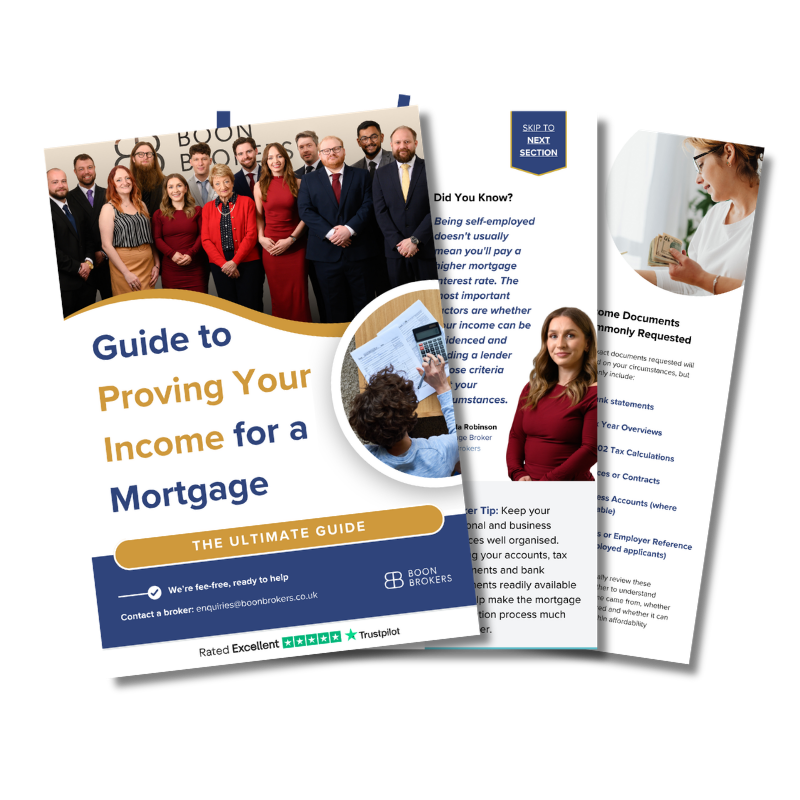
Download Our Free Mortgage Income Guide
Understand lender income requirements and avoid mistakes before applying for your mortgage.
What Are Red Flags to Mortgage Lenders in Bank Statements?
Mortgage lenders look for recurring spending patterns or financial behaviours that may suggest affordability concerns, undisclosed borrowing, or financial pressure.
Occasional overdraft use, one-off unusual spending, or a month where finances feel slightly tighter than normal are perfectly normal and should not prevent you from getting a mortgage.
The main concern for lenders will be spending patterns of financial behaviours that suggest ongoing affordability concerns, reliance on borrowing, or unmaintainable financial commitments alongside mortgage repayments.
For example, we have provided some of the most common red flags lenders will be looking for below:
Bank Statement Red Flags That Could Affect a Mortgage Application
| Transaction Category | Examples of Red Flags | Why Lenders May Ask for More Information |
| Large Deposits | Unexplained cash deposits or transfers | To confirm the source of funds |
| Gambling Activity | Frequent betting or casino transactions | May raise affordability concerns |
| Short-Term Borrowing | Payday loans or frequent BNPL use | May suggest financial pressure |
| Overdraft Reliance | Regular or continuous overdraft use | May indicate limited disposable income |
| Undisclosed Commitments | Payments to unknown lenders | To identify undisclosed debts |
| Returned Payments | Failed direct debits or standing orders | May indicate payment difficulties |
| Unusual References | References involving fraud or illegal activity | May trigger compliance checks |
It’s important to note that while the table above highlights some of the transactions lenders may look at more closely, they do not automatically mean a mortgage application will be declined.
In many cases, these types of transactions will simply lead to lenders asking for additional clarity around unusual activity or reassurance that your finances remain manageable overall. Financial patterns and reliability will matter far more than isolated transactions.
How Should You Prepare Your Bank Statements for a Mortgage Application?
Prepare your bank statements by checking they are complete, clearly presented, and supported by any documents needed to verify your income and finances.
Preparing your finances before applying for a mortgage can be one of the best time savers, helping reduce delays and minimise the chance of avoidable lender queries later in the process.
There are two sides to preparing your bank statements for a mortgage application:
- Preparing Additional Documentation
- Organisation
When preparing bank statements for a mortgage application, reviewing your recent transactions and identifying anything that could require additional explanation can help you save time further down the line.
Lenders are not looking for the “perfect” bank statement. Instead, it is just beneficial to understand how your finances may appear from a lender’s perspective and to prepare any supporting information in advance should it be needed.
Organisation is equally important. Missing pages, unclear screenshots, or gaps between statement periods are common mistakes that cause mortgage delays and may lead to unnecessary requests for additional documents. To help streamline your mortgage application, make sure that you have all your documents ready, with:
- Full statement downloads rather than screenshots
- Clearly visible account holder details
- Consecutive statement periods without missing pages
- PDF copies where possible
In addition to these main factors, simple improvements in the months leading up to an application can sometimes strengthen affordability assessments over time. Being financially vigilant by reducing any reliance on overdrafts, avoiding missed payments, and limiting short-term borrowing may all help present a more stable financial position to lenders.
Working with an experienced mortgage broker can help simplify this process and remove the stress from organising your mortgage application.

How Will a Mortgage Specialist Help?
A mortgage specialist can help you prepare your application, organise your supporting documents, and identify lenders whose criteria best match your financial circumstances.
Mortgage applications are rarely assessed in completely black-and-white terms, and bank statement reviews can often raise more questions and stress than borrowers initially expect.
Where income is irregular, spending patterns have recently changed, or multiple income sources are being used within the application, your bank statements could hold the key to the answers your chosen lender requires.
By working with an experienced mortgage broker like Boon Brokers, you can ensure that the documents in your mortgage application are fully prepared by a professional and match your chosen lender’s criteria for the best chance of success.
For more information on the different types of income that you can use, read our complete guide on what proof of Income is needed for a mortgage and find out how lenders assess proof of income at every stage.
Need Mortgage Advice?
Submit an Enquiry
Frequently Asked Questions
Do Lenders Check Subscriptions on Bank Statements?
Yes. Mortgage lenders may review subscription payments as part of their affordability assessment, but individual subscriptions are rarely a concern unless recurring costs are significantly reducing your disposable income.
Can I Use Digital Bank Statements for a Mortgage?
Yes, most lenders accept digital PDF bank statements downloaded directly from your online banking or mobile banking app. Screenshots are not usually accepted because they may not display the full account details or complete transaction history.
Can Gambling Transactions Affect Mortgage Approval?
Yes. While occasional gambling transactions will not always be a major issue, regular or high-value betting activity can sometimes raise affordability concerns. Lenders may look more closely where gambling appears alongside overdraft reliance, missed payments.
How Far Back Do Mortgage Lenders Look at Bank Statements?
Most mortgage lenders ask for between three and six months of recent bank statements. However, a longer statement history may be requested where income is variable, self-employed, or made up of multiple income sources.
Jack Freestone
I’m an established content writer at Boon Brokers, where I write and publish financial and mortgage-focused content across the UK property and lending marketplace. My work covers topics including first-time buyers, remortgaging, equity release, and wider market developments affecting borrowers. I hold a Master’s degree in English Literature from the University of Bedfordshire, graduating with distinction. Since then, I’ve worked across freelance, agency, and in-house roles, building experience writing across a range of subjects, with a focus on topics that directly affect everyday consumers. Today, my writing focuses on making complex financial topics clearer, more practical, and easier for everyday readers to understand.Related Articles
- How Do Self-Employed Applicants Prove Income for a Mortgage?
- Can I Get a Mortgage with a Signed Employment Contract?
- Can Overtime Income Be Used in a Mortgage Application?
- What Happens if You Can’t Prove Income for a Mortgage?
- How Do You Prove Income on a Zero-Hour Contact for a Mortgage?
- Can Bonus and Commission Income Be Used in a Mortgage Application?
- What Are the Mortgage Income Requirements for Freelancers and Contractors?
- How Is Rental Income Used in Mortgage Applications?
- Can I Use Cash Income in a Mortgage Application?
- How Do Part-Time Workers Prove Income for a Mortgage?
- What Are the Mortgage Income Requirements for Agency Staff?
- Can Mortgage Lenders Consider Multiple Income Streams?